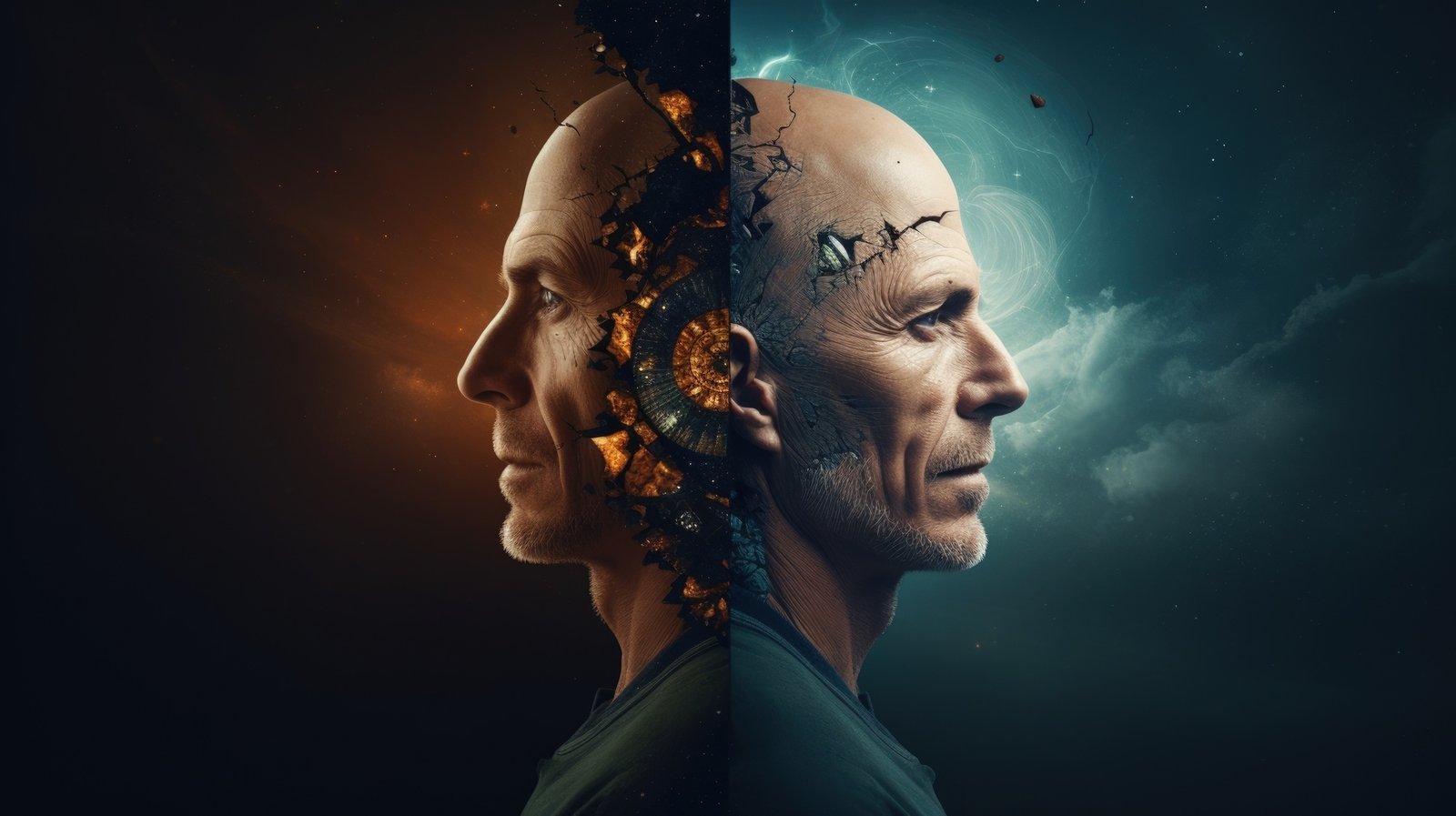
Artificial Intelligence has changed the way designers work. From generating wireframes to writing UX copy and creating prototypes in minutes, AI tools have become part of the modern design workflow.
But despite these advancements, one question keeps coming up:
Will AI replace product designers?
The short answer is no.
The role of a product designer is evolving—not disappearing. AI is becoming a powerful collaborator, while designers continue to lead strategy, solve complex problems, and create experiences that connect with people.
AI Is a Tool, Not a Designer
AI can generate layouts, suggest color palettes, summarize research, and speed up repetitive tasks. These capabilities save hours of manual work and allow designers to move faster than ever.
However, AI doesn’t understand business goals, user emotions, or the context behind a product. It doesn’t conduct stakeholder workshops, define product strategy, or make thoughtful trade-offs between user needs and business objectives.
Great design begins with understanding people—and that’s still a human skill.
The Role of Product Designers Is Expanding
Today’s product designers are expected to do much more than create beautiful interfaces.
Modern designers help teams:
- Understand user problems through research.
- Define product strategy.
- Create seamless user journeys.
- Build scalable design systems.
- Collaborate with engineers and product managers.
- Measure product success using data.
AI can support each of these steps, but it cannot replace the critical thinking required to make the right decisions.
How I Use AI in My Design Process
AI has become an important part of my workflow, but it never replaces design thinking.
Here’s how I typically use it:
Research
AI helps summarize large amounts of information, identify patterns, and organize insights faster.
Ideation
When exploring concepts, AI is useful for generating multiple design directions that can be refined further.
Content
Instead of writing placeholder text manually, AI helps create realistic UX copy for prototypes.
Design Exploration
AI image and interface generation tools help visualize ideas quickly before moving into high-fidelity designs.
Documentation
From user stories to product documentation, AI speeds up communication and keeps projects moving efficiently.
The final decisions, however, always come from understanding users, business goals, and real-world constraints.
Skills That Matter More Than Ever
As AI becomes more capable, the value of human skills continues to increase.
The designers who will thrive are those who can:
- Solve complex problems.
- Think strategically.
- Communicate clearly with stakeholders.
- Understand business and customer needs.
- Design systems that scale.
- Make data-informed decisions.
- Create meaningful user experiences.
These are skills AI can assist with—but not replace.
The Biggest Shift in Product Design
A few years ago, designers spent significant time creating screens.
Today, the focus is shifting toward designing outcomes.
Companies are looking for designers who can influence product direction, improve customer experience, and contribute to business growth—not just produce polished interfaces.
The most valuable designers are becoming product thinkers.
My Perspective
Over the years, I’ve worked across branding, digital products, enterprise platforms, websites, and design systems.
The biggest lesson I’ve learned is simple:
Tools will always change.
Design principles won’t.
Understanding users, asking better questions, collaborating with teams, and solving meaningful problems will always be at the core of great product design.
AI simply gives us better tools to do that work faster.
Final Thoughts
The future of product design isn’t about humans versus AI.
It’s about humans working alongside AI to build better products.
Designers who embrace new technology while strengthening their strategic thinking, creativity, and problem-solving abilities will continue to create the experiences that matter most.
The tools may evolve, but great design will always begin with empathy, curiosity, and a deep understanding of people.
About the Author
I’m Devesh Kumar, a Product Designer with over a decade of experience designing digital products, websites, and brand experiences. I enjoy building scalable design systems, exploring AI-powered workflows, and creating products that balance business goals with exceptional user experiences.